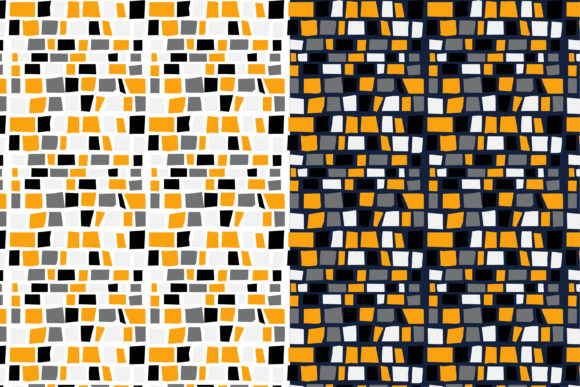
Modern Abstract Design Templates with Terrazzo Texture Pattern in Grey, Blue, Yellow and White
The terrazzo pattern flat color has emerged as a versatile design element that blends the natural aesthetics of stone with the clean lines of modern design. This texture, inspired by the traditional Italian material known as terrazzo, is now widely used across various creative industries. With its speckled surface and seamless tiling, the terrazzo pattern offers a unique way to incorporate texture into digital designs while maintaining a minimalist and contemporary feel.
The Essence of Terrazzo Pattern Flat Color
Terrazzo pattern flat color refers to the use of a textured background that mimics the look of real terrazzo. It consists of small, irregularly shaped pieces of stone, glass, or other materials embedded in a cement or resin base. In the context of digital design, this pattern is often simplified into a flat color scheme with subtle variations in tone and hue to create depth without overwhelming the viewer.
The combination of grey, blue, yellow, and white in terrazzo patterns provides a wide range of visual possibilities. These colors are not only visually appealing but also highly adaptable to different design contexts. The neutral tones like grey and white offer a timeless appeal, while the boldness of blue and yellow can add vibrancy and energy to a design.
Applications Across Creative Industries
One of the most significant advantages of using terrazzo pattern flat color is its adaptability across various design fields. From advertising and branding to packaging and editorial design, this texture can be seamlessly integrated into diverse projects.
In the world of advertising, terrazzo patterns are often used as backgrounds for banners and posters. Their subtle texture adds visual interest without distracting from the main content. For instance, a fashion brand might use a blue terrazzo pattern as a backdrop for a product launch campaign, creating a sophisticated yet modern aesthetic.
Similarly, in branding design, terrazzo textures can be used to create a cohesive visual identity. A company’s logo, website, and marketing materials can all incorporate elements of the terrazzo pattern, reinforcing brand consistency and recognition. The use of flat colors ensures that the design remains clean and professional, which is particularly important in corporate settings.
Magazine covers and flyers are another area where terrazzo patterns shine. The texture adds a tactile quality to otherwise flat designs, making them more engaging and memorable. For example, a lifestyle magazine might use a white terrazzo pattern on its cover to evoke a sense of purity and elegance, while a travel publication could opt for a yellow and grey pattern to convey warmth and adventure.
In wedding invitations, the terrazzo pattern can be used to create a balance between classic and contemporary styles. A light grey terrazzo background paired with elegant typography can give an invitation a refined and timeless look, while a vibrant blue and yellow pattern might suit a more playful and youthful wedding theme.
Designing with Terrazzo Texture Patterns
Creating effective designs with terrazzo texture patterns requires an understanding of both the material's characteristics and the design intent. Since these patterns are often used as backgrounds, it is essential to ensure that the primary content remains legible and visually prominent.
One key consideration is the seamless nature of terrazzo patterns. Unlike traditional textures, which may have visible seams or repeating motifs, terrazzo patterns are typically designed to tile seamlessly. This makes them ideal for large-scale applications such as wallpaper and flooring in both physical and digital spaces.
Another important aspect is the use of flat colors. While some terrazzo patterns may include gradients or subtle shading, the flat color variation allows for greater flexibility in design. This approach aligns well with current trends in minimalism and flat design, where simplicity and clarity are prioritized.
When working with terrazzo patterns, designers should also consider the contrast between the texture and the surrounding elements. For example, using a dark blue terrazzo pattern against a light background can create a striking visual effect, while a white pattern on a darker background may appear more subdued.
Exploring Creative Possibilities
The versatility of terrazzo pattern flat color extends beyond traditional design applications. In the realm of illustration, artists can use terrazzo textures to create unique compositions that blend organic and geometric elements. For instance, a textile designer might incorporate a speckled terrazzo pattern into a fabric print, adding depth and character to the design.
In packaging design, terrazzo patterns can enhance the visual appeal of products without overpowering their branding. A luxury skincare brand, for example, might use a grey and white terrazzo pattern on its product box to convey sophistication and natural ingredients, while a children’s toy line could use a bright yellow and blue pattern to attract younger audiences.
Additionally, the composite nature of terrazzo patterns allows for creative experimentation. By combining different color variations and textures, designers can create custom patterns that reflect specific themes or brand identities. This flexibility makes terrazzo patterns a valuable resource for creative professionals looking to push the boundaries of traditional design.
Choosing the Right Terrazzo Pattern
When selecting a terrazzo pattern, it is important to consider the intended use and the overall design goals. For digital assets such as posters and flyers, a high-quality vector format is essential to ensure scalability and clarity. Vector-based terrazzo patterns maintain their quality regardless of size, making them ideal for both print and digital applications.
For print media, the choice of paper stock and printing technique can significantly impact the final result. High-gloss finishes can enhance the texture of the pattern, while matte finishes may provide a more subdued appearance. Experimenting with different materials and techniques can help designers achieve the desired visual effect.
Moreover, the color palette plays a crucial role in determining the mood and message of a design. A warm yellow terrazzo pattern can evoke feelings of energy and optimism, while a cool blue pattern may suggest calmness and professionalism. Understanding the emotional impact of color choices is essential for creating effective and meaningful designs.
Conclusion
The terrazzo pattern flat color offers a unique and versatile design solution that bridges the gap between natural aesthetics and modern minimalism. Its ability to adapt to various design contexts makes it a valuable tool for professionals across multiple industries. Whether used in advertising, branding, or creative publishing, the terrazzo pattern continues to evolve as a symbol of innovation and artistic expression.