Rainbow Pattern Overlays: A Versatile Design Tool for Creative Projects
Rainbow pattern overlays are digital design elements that add visual interest and texture to images, backgrounds, or other design assets. These overlays typically feature vibrant, colorful patterns inspired by the rainbow spectrum, which can be used to enhance the aesthetics of various creative projects. When considering Rainbow Pattern Overlays, it's important to understand what they are, how they function, and whether they align with your specific design needs.
Understanding Rainbow Pattern Overlays
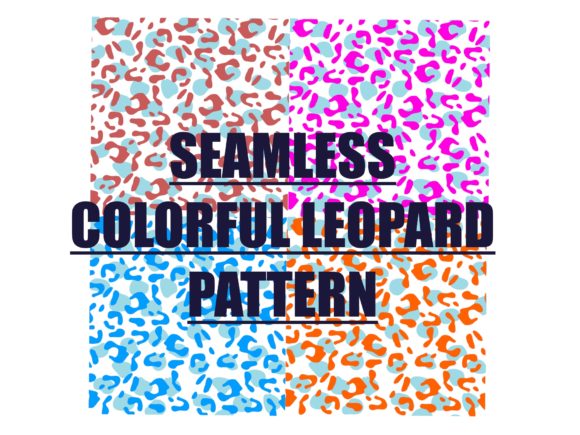
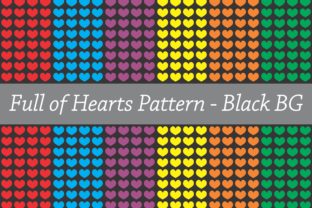
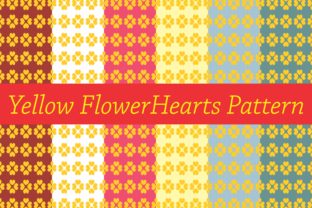
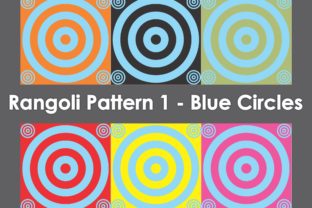
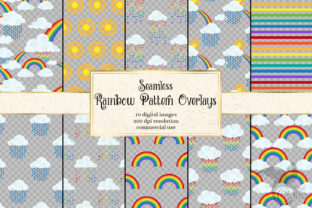
Rainbow pattern overlays are transparent PNG files that contain repeating, seamless patterns in a variety of colors. They are designed to be layered over other images or designs, allowing the underlying content to show through while adding an artistic touch. These overlays are particularly useful for designers, artists, and creators who want to add subtle texture or visual flair without overwhelming the primary content.
The product described includes 10 seamless PNG files, each measuring 12x12 inches or 3600x3600 pixels at a resolution of 300 dpi. This high-resolution format ensures clarity and quality when used for both digital and print purposes. Additionally, 4x4 pattern tiles are provided for higher resolution options, making them suitable for large-scale printing or detailed web backgrounds.
Reasons to Consider Rainbow Pattern Overlays
There are several reasons why someone might choose to use Rainbow Pattern Overlays in their work. One of the main advantages is their versatility. These overlays can be applied to a wide range of media, including digital art, photography, web design, and fabric patterns. Their transparency allows for easy integration with existing designs, ensuring that the overlay complements rather than competes with the underlying content.
Another benefit is the ease of use. Because the patterns are seamless, they can be tiled effortlessly to cover large areas without visible seams. This makes them ideal for creating backgrounds, textures, or embellishments for both small and large projects. The availability of multiple sizes also provides flexibility, allowing users to choose the most appropriate option based on their specific requirements.
Benefits, Tradeoffs, and Considerations
One of the key benefits of using Rainbow Pattern Overlays is their ability to add visual depth and interest to otherwise plain or flat designs. They can help draw attention to certain elements, create a cohesive aesthetic, or simply add a pop of color to a project. However, it's important to consider how these overlays will interact with the rest of your design. Overuse or improper placement can lead to a cluttered or distracting result.
Another consideration is the level of customization available. While the provided overlays offer a range of vibrant patterns, they may not be suitable for every design need. Users who require highly customized or unique patterns may find that additional editing or sourcing is necessary. Additionally, while the PNG format preserves transparency, it also means that the overlays cannot be easily modified within most graphic design software without some technical knowledge.
Situations Where Rainbow Pattern Overlays Are a Strong Fit
Rainbow Pattern Overlays are well-suited for projects where a subtle yet eye-catching texture is desired. For example, they can be used as background elements in web design, added to digital art to create a sense of movement or energy, or incorporated into fabric patterns for a vibrant, dynamic look. They are also effective in photo editing, where they can be used to enhance the mood or atmosphere of an image without overpowering the subject.
These overlays are particularly beneficial for those working on large-format prints or backgrounds that require a consistent, repeating pattern. The seamless nature of the files ensures that tiling does not produce visible breaks or inconsistencies, making them ideal for such applications.
When Alternatives May Be Worth Considering
While Rainbow Pattern Overlays are a valuable tool, there are situations where alternative options may be more appropriate. For instance, if a project requires a completely unique or custom pattern, pre-made overlays may not provide the desired outcome. In such cases, creating a custom pattern from scratch or using vector-based tools could be more effective.
Additionally, if the goal is to achieve a minimalist or subdued design, the vibrant nature of rainbow patterns may not be the best choice. In these instances, simpler textures or monochromatic patterns may be more suitable. It's also worth noting that the effectiveness of these overlays depends heavily on the context in which they are used, so careful consideration should be given to their placement and layering.
Practical Decision-Making Insights
Before deciding to use Rainbow Pattern Overlays, it's important to evaluate your project goals and the overall design aesthetic you're aiming for. Ask yourself whether the overlay will enhance or detract from the main content. Consider the size and resolution of your project, and ensure that the chosen overlay is appropriate for the intended use.
It's also helpful to experiment with different overlays and see how they interact with your design. Layering multiple overlays or adjusting their opacity can yield interesting effects. If you're unsure about the best approach, starting with a simple test design can help you determine whether the overlay is the right fit for your project.
Ultimately, Rainbow Pattern Overlays are a valuable resource for designers looking to add visual interest and texture to their work. By understanding their capabilities and limitations, you can make informed decisions that align with your creative goals and ensure a successful outcome.