Retro Pattern Backgrounds
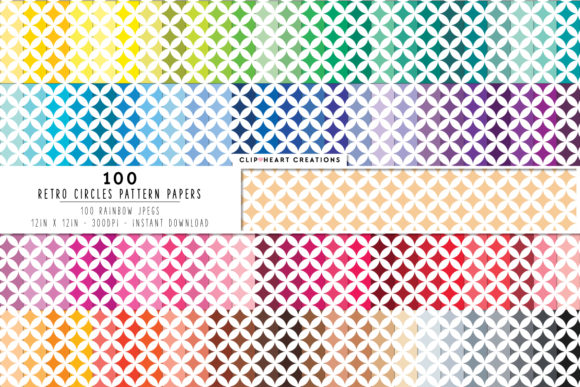
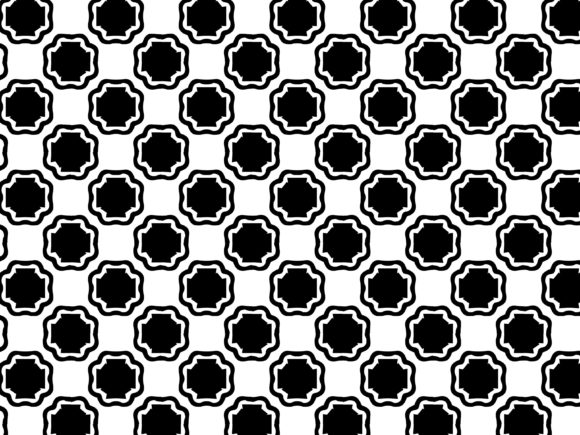
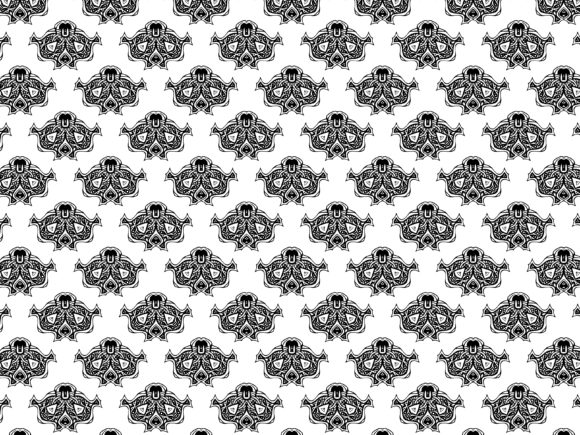
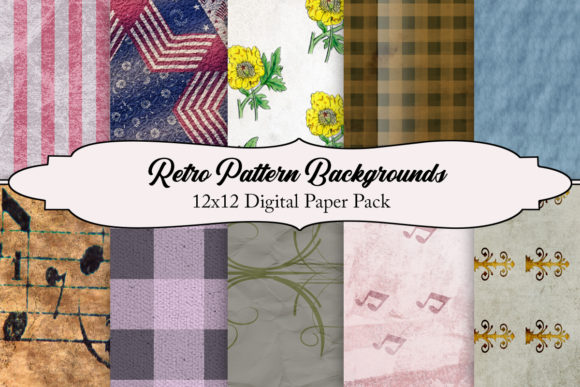
Retro Pattern Backgrounds is a curated collection of 10 high-resolution digital papers designed to bring a nostalgic, vintage aesthetic to creative projects. These 12x12 inch files are ideal for paper crafters, scrapbookers, and designers who appreciate the charm of bygone eras. With their rich textures, vibrant colors, and intricate patterns, each background offers a unique visual experience that can elevate any project.
Where Retro Pattern Backgrounds Fits in the Creative Process
Incorporating Retro Pattern Backgrounds into your workflow can serve multiple purposes depending on the stage of your project. Whether you're planning a design, executing a layout, or finalizing a presentation, these backgrounds offer versatility and aesthetic value.
Before starting a project, using a retro pattern as a base can help set the tone and mood. For instance, when designing a vintage-themed card, selecting a background with an antique feel can immediately guide the color palette and overall style. During the execution phase, these backgrounds can act as a foundation upon which other elements—like text, images, and embellishments—are layered. Post-project, they can also be used for creating templates or reference materials that maintain a consistent aesthetic across different pieces.
Practical Use Cases for Retro Pattern Backgrounds
Retro Pattern Backgrounds is not limited to traditional crafts; it has broad applications across various creative fields. Here are some practical use cases:
- Card Making and Scrapbooking: These backgrounds add depth and character to handmade cards and scrapbook layouts. They provide a canvas that complements handwritten notes, photographs, and decorative elements.
- Graphic Design: In digital design, retro patterns can enhance the visual appeal of presentations, social media posts, and branding materials. They can be used as overlays or as part of a cohesive design theme.
- Home Decor: Some of the most visually striking retro patterns are so beautiful that they can be printed and framed as wall art. This makes them useful for personal spaces or commercial settings like cafes and boutiques.
- Marketing Materials: Businesses can leverage retro patterns to create vintage-inspired marketing collateral, such as brochures, posters, and packaging, which can differentiate their brand from competitors.
- Education and Learning: Teachers and educators can use these backgrounds to create engaging learning materials, such as worksheets, flashcards, and classroom decorations that capture students' attention.
Integrating Retro Pattern Backgrounds with Other Tools
The true power of Retro Pattern Backgrounds lies in its ability to integrate seamlessly with other design tools and platforms. Whether you're working in Adobe Photoshop, Canva, or even Microsoft Word, these high-resolution JPEG files can be easily imported and customized.
When working with digital design software, consider layering the retro pattern behind text or images to create a visually rich composition. For print projects, ensure that the resolution (300 DPI) is appropriate for the intended output. If you're using these backgrounds online, make sure they are compatible with the platform's requirements, especially if you're embedding them in websites or apps.
Workflow Tips for Using Retro Pattern Backgrounds
To maximize the effectiveness of Retro Pattern Backgrounds in your workflow, follow these practical tips:
- Plan Ahead: Before importing a background, think about how it will complement the rest of your design. Consider the color scheme, contrast, and overall mood you want to convey.
- Organize Your Files: Keep your digital papers organized in folders based on style, color, or purpose. This will save time and help you find the right background quickly.
- Experiment with Layers: Try placing the background behind text or images to see how it interacts with other elements. Adjust opacity or blend modes to achieve the desired effect.
- Use for Multiple Projects: Don't limit yourself to one project per background. Many retro patterns can be reused across different designs, helping you maintain a cohesive look.
- Print with Purpose: If you decide to print a background, choose a high-quality printer and consider framing it for long-term display or use in physical spaces.
Choosing the Right Retro Pattern for Your Needs
With a wide range of styles and colors available, choosing the right retro pattern depends on your specific needs and preferences. Some patterns may have a more muted, classic feel, while others might be bolder and more eye-catching. Consider the following factors when making your selection:
- Theme: Does the pattern align with the theme of your project? For example, a floral pattern might suit a wedding invitation, while a geometric design could work well for a tech-related presentation.
- Color Palette: Think about how the colors in the pattern interact with the rest of your design. Will they complement or clash with other elements?
- Texture: Some patterns have a tactile quality that adds depth to your design. Consider how the texture affects the overall look and feel.
- Consistency: If you're working on a series of related projects, choose patterns that maintain a consistent style to ensure a unified aesthetic.
Long-Term Use and Quality Control
When incorporating Retro Pattern Backgrounds into your routine, it's important to consider long-term use and quality control. Ensure that the files are stored in a safe location and backed up regularly. If you're using these backgrounds for commercial purposes, verify that you have the appropriate licensing rights.
Additionally, keep track of how frequently you use each background. Over time, you may notice which patterns are most effective and which ones are less versatile. This feedback can help you refine your choices and optimize your workflow.
Conclusion
Retro Pattern Backgrounds is more than just a collection of digital papers—it's a versatile tool that can enhance your creative process in numerous ways. Whether you're a hobbyist, professional, or entrepreneur, these backgrounds offer a timeless aesthetic that can elevate your projects and streamline your workflow. By understanding how to integrate them effectively, you can unlock new possibilities and create visually compelling work that stands out.