Tiny Plant Pattern - Red: A Versatile Design Asset for Creative and Professional Workflows
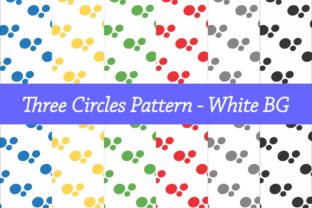
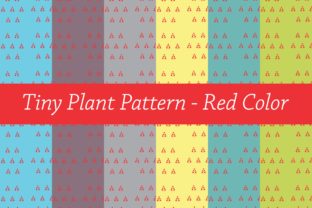
The Tiny Plant Pattern - Red is a set of six digital colored patterns designed to bring subtle botanical charm to a wide range of creative and professional projects. Each pattern measures 12×12 inches, is delivered in high-resolution JPEG format (300dpi), and offers a cohesive visual language that can be seamlessly integrated into various design workflows. Whether you're an entrepreneur working on branding materials, a blogger enhancing your website's aesthetic, or a marketer crafting promotional assets, this collection provides a reliable and versatile resource.
Understanding the Tiny Plant Pattern - Red Set
The Tiny Plant Pattern - Red consists of six distinct yet harmonious patterns, each featuring delicate plant motifs rendered in shades of red. These patterns are ideal for backgrounds, accents, and decorative elements where a soft, organic feel is desired without overwhelming the overall design. Their small-scale nature makes them adaptable to both digital and print formats, ensuring consistent quality across different media.
Each pattern is optimized for clarity and detail at 300dpi, making it suitable for high-quality printing as well as screen-based applications such as websites, social media posts, and presentations. The JPEG format ensures compatibility with most design software, including Adobe Photoshop, Illustrator, Canva, and Figma, allowing for easy integration into existing workflows.
Integrating Tiny Plant Pattern - Red Into Your Workflow
When considering how to incorporate the Tiny Plant Pattern - Red into your workflow, it’s important to think about its role within the broader context of your project. This set functions best as a background or accent element rather than a focal point. It can be used before, during, or after a project to enhance visual consistency and add a touch of natural elegance.
Before a project: Use these patterns as inspiration when planning the visual direction of a brand, product packaging, or marketing campaign. They can help establish a cohesive color palette and thematic tone that aligns with your brand identity or project goals.
During a project: Incorporate the patterns into your design process by using them as background textures for mockups, banners, or headers. Their subtle nature allows them to complement other design elements without competing for attention, which is especially useful in content-heavy layouts like blogs or educational materials.
After a project: Consider repurposing these patterns for future projects. For example, if you’ve used them in a marketing campaign, they can be reused in related content such as email newsletters, social media posts, or customer communications, helping maintain brand continuity.
How Tiny Plant Pattern - Red Interacts With Other Tools and Resources
The versatility of the Tiny Plant Pattern - Red makes it compatible with a wide range of tools and resources commonly used in design and content creation. Here are some practical ways to use these patterns alongside other assets:
- Design Software: Import the patterns into your preferred design tool and apply them as background layers. They work well with vector graphics, photographs, and text overlays.
- Content Management Systems (CMS): If you're using platforms like WordPress, Shopify, or Squarespace, upload the patterns as background images for pages, headers, or blog posts.
- Social Media Platforms: Use the patterns to create visually appealing posts for Instagram, Pinterest, or Facebook. They can serve as watermarks, borders, or subtle background textures.
- Print Materials: These patterns are ideal for printed materials such as business cards, flyers, and packaging. Their high resolution ensures crisp, clear results even when printed at scale.
By pairing the Tiny Plant Pattern - Red with other design elements, you can create a layered and cohesive visual experience that enhances the overall impact of your work.
Practical Implementation Tips and Workflow Examples
To get the most out of the Tiny Plant Pattern - Red, consider the following implementation tips and workflow examples based on common use cases:
Example 1: Branding and Marketing Materials
If you're designing a brand identity or marketing collateral, start by applying one of the patterns as a background texture for your logo or header. This adds a subtle but distinctive visual element that reinforces your brand's personality. You can also use the patterns in promotional emails or landing pages to create a sense of continuity across all touchpoints.
Example 2: Educational Content Creation
For educators or content creators producing learning materials, these patterns can be used to break up large blocks of text or to highlight key sections. Their soft, natural aesthetic helps reduce visual fatigue while maintaining engagement.
Example 3: Product Packaging Design
If you're involved in product packaging design, consider using the Tiny Plant Pattern - Red as a subtle background or border element. This can help differentiate your product from competitors while adding a touch of elegance and sophistication.
Factors to Consider for Long-Term Use and Quality Control
While the Tiny Plant Pattern - Red is a valuable asset, there are several factors to consider for long-term use and quality control:
- Preparation: Ensure that your design software is set to the correct resolution (300dpi) when importing the patterns to avoid any loss of quality.
- Compatibility: Verify that the patterns are compatible with the file formats and tools you plan to use. Most design software supports JPEG files, but it's always a good idea to check.
- Organization: Store the patterns in a centralized location or folder for easy access. Labeling them clearly can help streamline your workflow and reduce time spent searching for specific assets.
- Consistency: Use the same pattern consistently throughout a project to maintain visual harmony. Avoid mixing too many different patterns unless it serves a specific purpose.
- Efficiency: Since the patterns are pre-designed, they can save time compared to creating custom textures from scratch. However, be mindful of overusing them in a way that might make your designs feel repetitive or generic.
By keeping these considerations in mind, you can ensure that the Tiny Plant Pattern - Red remains a valuable and effective part of your creative toolkit for years to come.
Conclusion
The Tiny Plant Pattern - Red is more than just a decorative asset—it’s a functional design element that can enhance the visual appeal of your work while supporting your broader creative or professional goals. Its versatility, high quality, and ease of use make it a great fit for a wide range of applications, from branding and marketing to education and publishing. By integrating these patterns thoughtfully into your workflow, you can elevate the aesthetics of your projects without compromising clarity or functionality.