Gold and Imperial Blue in Mid-Eastern Art: A Timeless Fusion of Color and Culture
The Significance of Gold and Imperial Blue
Gold and imperial blue are two colors that have held a special place in the artistic traditions of the Middle East for centuries. These hues are not merely decorative; they carry deep cultural, historical, and symbolic meanings. When combined, they create a striking visual contrast that has been used in everything from ancient manuscripts to modern digital art.
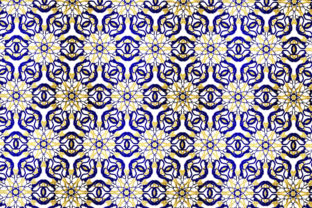
Gold represents wealth, divinity, and eternity, while imperial blue symbolizes royalty, wisdom, and protection. Together, these colors form a powerful palette that continues to inspire artists around the world. In recent years, digitally painted gold and imperial blue strokes forming patterns consistent with mid-eastern art styles have gained popularity among designers and digital artists looking to incorporate traditional aesthetics into contemporary projects.
Digital Painting Techniques with Gold and Imperial Blue
Digitally painting with gold and imperial blue requires an understanding of both traditional techniques and modern software tools. Artists often use high-resolution files, such as 4000 x 3000 pixel JPGs, to ensure that intricate details remain visible even when scaled up. This level of detail is especially important when replicating the fine brushwork found in classic mid-eastern art.
- Layering: Using multiple layers allows artists to build depth and complexity in their work. Gold can be applied as a base layer, while imperial blue is used for highlights or detailing.
- Brush Selection: Choosing the right brush is essential for achieving authentic results. Soft brushes are ideal for blending, while harder brushes can mimic the texture of traditional calligraphy.
- Color Blending: Digital blending modes can help achieve the luminous effects associated with gold and imperial blue. Modes like overlay and soft light can enhance the vibrancy of these colors without overpowering the composition.
For those working with 12 JPG files, it's important to maintain consistency in color tone and saturation across all images. This ensures that the final output looks cohesive and professional, whether it's being used for print or digital display.
Applications in Modern Design and Projects
The combination of gold and imperial blue is not limited to traditional art forms. These colors are now being used in a wide range of industries, including fashion, interior design, graphic design, and branding. Their versatility makes them suitable for both minimalist and ornate designs.
In the field of graphic design, digitally painted gold and imperial blue strokes are often used to create logos, illustrations, and background elements that convey a sense of luxury and heritage. The patterns inspired by mid-eastern art styles add an extra layer of sophistication and cultural richness to any project.
Interior designers also find these colors useful for creating spaces that feel both elegant and timeless. Whether it's through wall art, furniture accents, or decorative objects, gold and imperial blue can transform a room into a space that feels connected to history and tradition.
Considerations for Choosing and Using Gold and Imperial Blue
Before incorporating gold and imperial blue into a project, there are several factors to consider. First, the context in which the colors will be used should guide the choice of shade and intensity. For example, a more muted version of imperial blue might be appropriate for a corporate setting, while a vibrant gold could be better suited for a luxury brand.
Another consideration is the medium. While these colors look stunning in print, their appearance on digital screens can vary depending on the device and screen calibration. It's important to test how the colors render on different devices to ensure consistency.
Additionally, the scale at which the colors are used matters. Gold and imperial blue can be overwhelming if overused, so it's best to apply them strategically. Using them as accents rather than dominant colors can help maintain balance and visual harmony.
Examples and Scenarios
One common scenario where digitally painted gold and imperial blue strokes are used is in the creation of Islamic geometric patterns. These intricate designs, often seen in mosques and palaces, can be recreated using digital tools to produce high-quality images that capture the essence of traditional craftsmanship.
Another example is the use of these colors in wedding invitations and event materials. The combination of gold and imperial blue can evoke a sense of celebration and grandeur, making them perfect for special occasions that require a touch of elegance.
For digital artists, creating a series of 12 JPG files featuring digitally painted gold and imperial blue strokes can be a rewarding project. Each file can focus on a different aspect of mid-eastern art, such as floral motifs, arabesques, or calligraphy. This approach allows for a comprehensive exploration of the subject while maintaining visual interest across all pieces.
Practical Benefits and Recommendations
Using gold and imperial blue in digital art offers several practical benefits. One of the main advantages is the ability to create visually striking compositions that stand out from the crowd. These colors are inherently eye-catching and can draw attention to key elements within a design.
Another benefit is the emotional impact these colors can have on viewers. Gold and imperial blue are associated with positive emotions such as admiration, respect, and awe. Incorporating them into a design can help convey a sense of prestige and importance.
For beginners looking to explore this style, starting with simple patterns and gradually moving to more complex designs is recommended. Practicing with digital tools like Adobe Photoshop or Procreate can help develop the necessary skills to create professional-quality artwork.
It's also worth experimenting with different textures and effects to see how they interact with gold and imperial blue. Adding subtle gradients or metallic finishes can enhance the overall look and feel of the artwork.