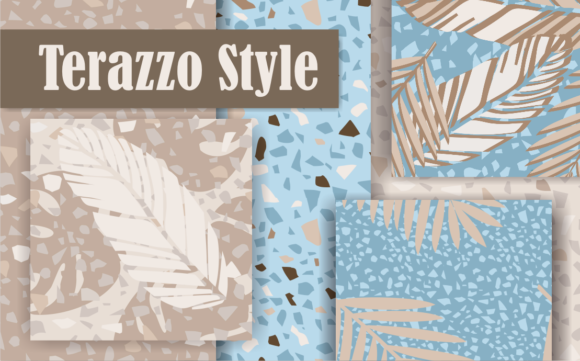
Terazzo Style: A Timeless Design Trend Reimagined with Tropical Leaf Shapes
The Terazzo Style, a design aesthetic rooted in the art of combining diverse materials into cohesive, elegant patterns, has seen a remarkable evolution in recent years. Originally inspired by the Italian tradition of mixing marble, terracotta, and other natural elements, this style has now found new life through modern design tools and creative experimentation. One particularly striking fusion involves the integration of tropical leaf shapes into Terazzo-style compositions. This combination not only enhances visual appeal but also introduces a fresh, organic energy to traditional designs.
The Evolution of Terazzo Style
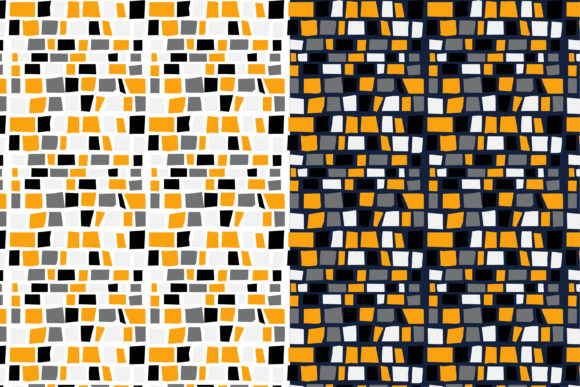
Terazzo, derived from the Italian word for "marble," is a decorative technique that dates back centuries. It involves embedding colored chips or fragments into a surface, typically concrete or resin, to create intricate, mosaic-like patterns. Over time, this method has expanded beyond its original purpose, becoming a versatile design language used in flooring, wall coverings, and even digital graphics.
Today, designers are reinterpreting Terazzo by incorporating modern materials and techniques. The introduction of vector-based design software has made it easier than ever to manipulate and customize these patterns. This has led to a surge in creativity, allowing artists and professionals to experiment with color schemes, textures, and layouts in ways previously unimaginable.
Tropical Leaf Shapes: A New Dimension in Design
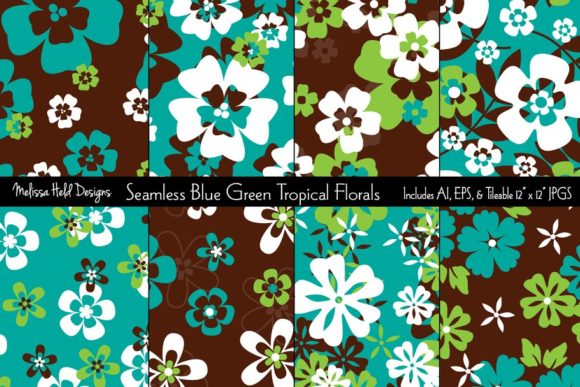
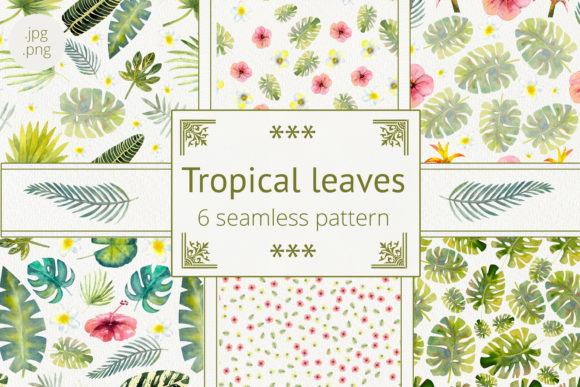
One of the most exciting developments in contemporary Terazzo design is the use of tropical leaf shapes. These organic forms, often inspired by the vibrant foliage of exotic landscapes, bring a sense of nature and movement to otherwise static patterns. By blending the structured elegance of Terazzo with the fluidity of natural elements, designers can create visually compelling spaces that feel both refined and alive.
The integration of tropical leaves into Terazzo-style tiles allows for a wide range of creative possibilities. Whether used as a central motif or as subtle accents, these shapes can add depth and character to any design project. For instance, a living room might feature a Terazzo-style floor with leaf motifs that echo the greenery outside the window, creating a seamless indoor-outdoor connection.
Design Flexibility and Customization
Modern Terazzo-style collections offer an impressive level of customization, making them accessible to a broad audience. Many sets come with vector files that allow users to edit colors, adjust patterns, and even modify individual elements within the design. This flexibility is especially valuable for professionals who need to tailor their work to specific client preferences or project requirements.
For those without access to advanced design software, many Terazzo-style sets also include high-resolution PNG and JPEG files. These files are optimized for use in various applications, from print media to digital presentations. The inclusion of multiple file formats ensures that users can seamlessly integrate Terazzo-style elements into their existing workflows, regardless of their technical expertise.
Three Color Options for Versatile Applications
To further enhance the adaptability of Terazzo-style designs, many collections are available in three distinct color options. These choices provide a solid foundation for creating harmonious visuals while allowing for personalization based on the intended environment. For example, a warm, earthy palette might be ideal for a rustic interior, while a more subdued, neutral scheme could suit a minimalist space.
The availability of multiple color options also makes Terazzo-style tiles suitable for a wide range of applications. From commercial projects like retail stores and hospitality venues to residential interiors such as kitchens and bathrooms, these designs can be adapted to fit virtually any setting. This versatility is one of the key reasons why Terazzo-style remains a popular choice among designers and homeowners alike.
Seamless Patterns vs. Mixed Arrangements
One of the defining features of Terazzo-style design is the ability to create either seamless patterns or mixed arrangements. Seamless patterns offer a continuous, uninterrupted look that is ideal for large surfaces such as floors or walls. They provide a clean, cohesive appearance that can transform any space into a visual masterpiece.
In contrast, mixed arrangements allow for greater creative freedom. By combining different tiles and patterns, designers can introduce visual interest and texture to their work. This approach is particularly effective in smaller spaces where variety can help prevent the design from feeling monotonous. For instance, a bathroom might feature a mix of bold, geometric tiles alongside softer, more organic elements to create a balanced yet dynamic composition.
Applications Across Industries
The adaptability of Terazzo-style design extends beyond aesthetics to practical applications across multiple industries. In architecture and interior design, these tiles are used to create unique, eye-catching surfaces that elevate the overall look of a space. In the fashion industry, designers have begun incorporating Terazzo-style patterns into textiles and accessories, adding a touch of sophistication and artistry to their collections.
Even in education and research, Terazzo-style designs find relevance. For example, educators can use these patterns in classroom settings to teach concepts related to geometry, color theory, and spatial design. Researchers studying material science may explore the structural properties of Terazzo-style compositions to develop new materials with enhanced durability and visual appeal.
Considerations for Implementation
While the benefits of Terazzo-style design are numerous, there are several considerations to keep in mind when implementing these patterns. First and foremost, the choice of materials and finishes plays a crucial role in determining the final outcome. High-quality materials ensure longevity and resistance to wear, which is essential for both residential and commercial applications.
Another important factor is the scale at which the design is applied. Larger surfaces require careful planning to maintain consistency and avoid visual clutter. Conversely, smaller areas benefit from more intricate patterns that can draw attention without overwhelming the space. Additionally, lighting conditions should be taken into account, as certain colors and textures may appear differently under varying light sources.
Finally, the integration of technology has significantly expanded the possibilities of Terazzo-style design. Vector files and digital editing tools enable users to experiment with different combinations before committing to a final design. This not only saves time and resources but also encourages innovation and creativity in the design process.
Conclusion
Terazzo Style, when combined with the organic beauty of tropical leaf shapes, offers a powerful and versatile design solution. Whether used in professional settings, personal spaces, or creative projects, this style continues to evolve and inspire. With its emphasis on customization, adaptability, and aesthetic appeal, Terazzo-style design remains a valuable asset for anyone looking to elevate their visual storytelling and spatial design.