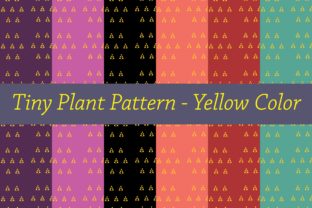
Tiny Plant Pattern Yellow: Strategic Use for Design and Branding
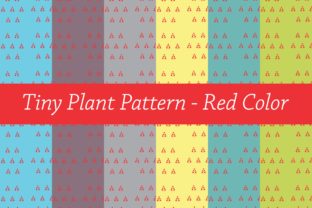
The Tiny Plant Pattern Yellow is more than just a decorative element—it's a strategic design tool that can enhance visual communication, support branding efforts, and elevate the quality of digital assets. This set includes six digital colored patterns, each measuring 12×12 inches in high-resolution JPEG format (300dpi), making it ideal for print and digital use alike. Whether you're a marketer, designer, or entrepreneur, understanding how to apply this pattern effectively can lead to better outcomes in your projects.
Understanding Tiny Plant Pattern Yellow
Tiny Plant Pattern Yellow consists of subtle, repeating plant motifs in a warm, vibrant tone. The yellow hue adds energy and positivity, while the small-scale details provide a sense of sophistication and refinement. These patterns are designed to be versatile, allowing them to blend seamlessly into a variety of backgrounds and color schemes.
The inclusion of six different variations within this set provides flexibility. Each pattern offers a slightly different arrangement of plants, enabling users to choose the one that best aligns with their specific project needs. This level of detail ensures that the patterns can be used in multiple contexts without appearing repetitive or overused.
Strategic Applications in Design and Communication
When used thoughtfully, Tiny Plant Pattern Yellow can serve as a subtle yet effective way to reinforce brand identity. Its soft, organic feel makes it particularly suitable for industries that emphasize wellness, sustainability, or creativity. For instance, a wellness brand might incorporate this pattern into packaging, website backgrounds, or promotional materials to evoke a sense of calm and natural harmony.
Marketers and content creators can also benefit from using Tiny Plant Pattern Yellow in digital assets such as social media posts, email headers, or blog banners. The pattern’s gentle presence can help draw attention without overwhelming the viewer, making it an excellent choice for background elements that need to remain unobtrusive.
For educators and publishers, integrating this pattern into educational materials or book covers can create a visually appealing environment that supports learning and engagement. Its clean, organized layout complements text-based content without distracting from the main message.
Planning Your Use of Tiny Plant Pattern Yellow
Before incorporating Tiny Plant Pattern Yellow into any project, it's important to consider the context and purpose. Ask yourself: What is the goal of this design? Who is the target audience? How will this pattern contribute to the overall message or experience?
If the objective is to create a cohesive brand identity, ensure that the pattern aligns with existing brand colors and typography. A mismatched color palette could dilute the intended effect and confuse the audience. On the other hand, if the goal is to add a touch of warmth and vitality to a minimalist design, Tiny Plant Pattern Yellow can be the perfect addition.
Consider the placement and scale of the pattern within the design. While the 12×12 inch size is ideal for many applications, it may need to be adjusted or cropped depending on the final output. Always test the pattern in different sizes and formats to ensure it maintains its clarity and appeal.
Practical Examples and Use Cases
One practical example of using Tiny Plant Pattern Yellow is in the creation of branded stationery. A small business owner looking to establish a professional yet approachable brand image might use this pattern in letterheads, business cards, or envelopes. The yellow tone adds warmth, while the plant motif subtly communicates growth and renewal—key themes for a growing enterprise.
Another use case involves digital marketing campaigns. A blogger or content creator aiming to increase engagement on social media platforms might use Tiny Plant Pattern Yellow as a background for post thumbnails or carousel images. The pattern’s softness helps balance bold text and graphics, creating a visually pleasing composition that encourages interaction.
In the realm of product packaging, this pattern can be used to differentiate a product from competitors. A skincare brand, for example, might incorporate Tiny Plant Pattern Yellow into the design of eco-friendly packaging to highlight natural ingredients and sustainable practices.
Risks of Using Tiny Plant Pattern Yellow Without Strategy
While Tiny Plant Pattern Yellow is a valuable asset, its effectiveness depends heavily on how it is applied. One of the key risks of using this pattern without clear goals or context is the potential for misalignment with the brand’s messaging or aesthetic. If the pattern feels forced or out of place, it can detract from the overall design rather than enhance it.
Another risk is overuse. Since the pattern is relatively simple, it can easily become repetitive if not used judiciously. To avoid this, limit its application to areas where it serves a functional or aesthetic purpose. For instance, use it as a background in certain sections rather than across the entire design.
Additionally, failing to consider the cultural or emotional associations of the color yellow can lead to unintended effects. While yellow is often associated with optimism and energy, it can also be perceived as overly bright or even garish in some contexts. Always evaluate how the color interacts with the rest of the design and the expectations of the target audience.
Intentional Use for Long-Term Value
To maximize the long-term value of Tiny Plant Pattern Yellow, it's essential to use it with intention. Rather than applying it randomly, think about how it can support your broader design strategy. Does it help communicate a specific message? Does it improve user experience or brand recognition?
Consider creating a style guide that outlines how and when to use the pattern. This guide can include recommendations for color combinations, placement, and scaling. By establishing clear guidelines, you ensure consistency across all design outputs and maintain a strong visual identity.
Finally, take time to evaluate the impact of your design choices. Are people responding positively to the use of Tiny Plant Pattern Yellow? Is it helping to achieve your intended goals? Regular feedback and analysis will help you refine your approach and make informed decisions moving forward.
By approaching Tiny Plant Pattern Yellow with a strategic mindset, you can transform it from a simple design element into a powerful tool for achieving better results in your creative and professional endeavors.